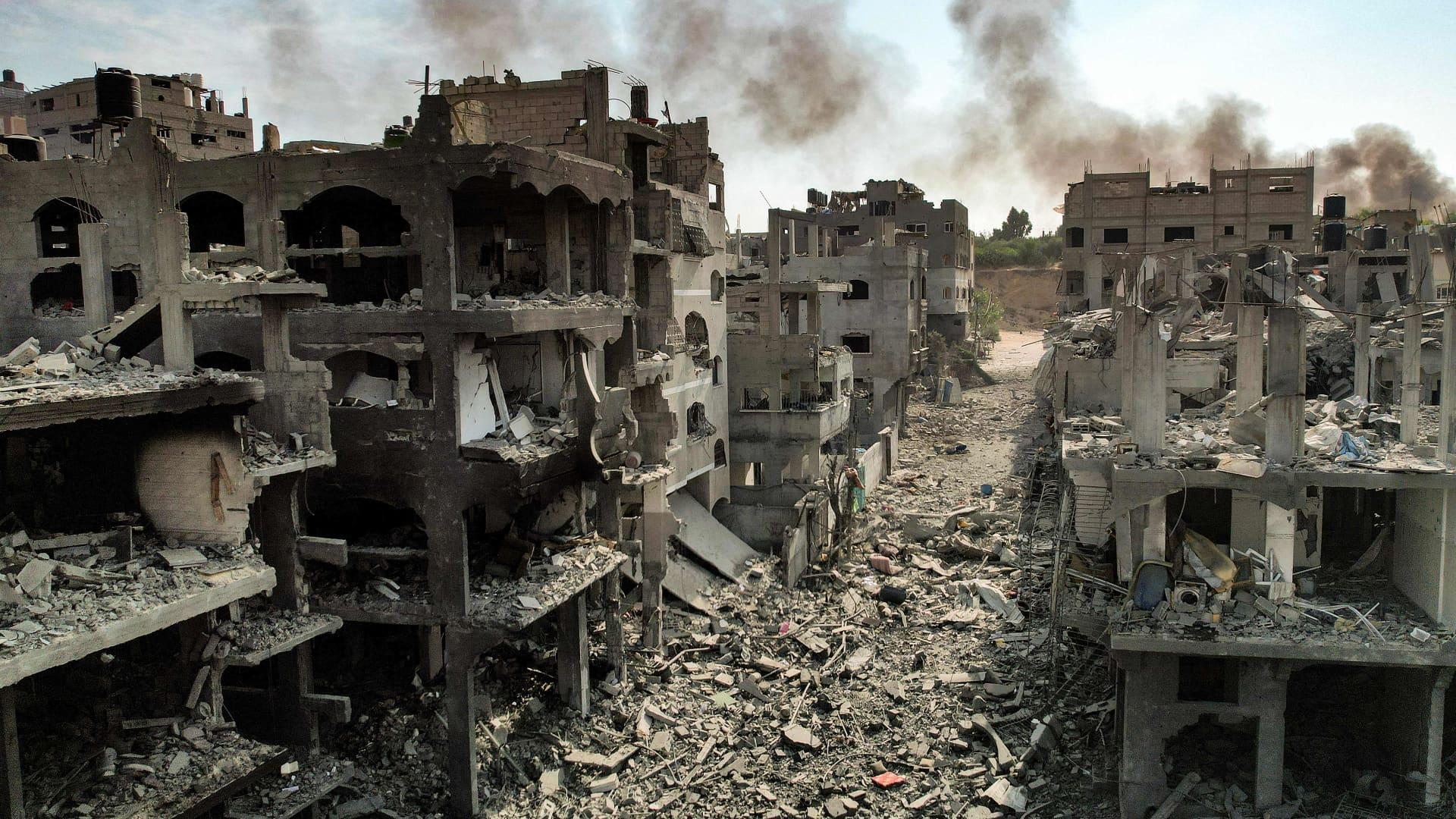
The Middle East and North Africa have been regions of rich cultural coexistence, but also of strife and conflict. Understanding the complexities of these lands necessitates peering into their tumultuous past. This historical exposition delves into figures such as Yasser Arafat and Amin al-Husseini and their impact on the texture of Arab-Jewish relations over the centuries.
Chapter I: From the Armenian Genocide to the Shores of Palestine (1893-1933)
The genesis of modern Middle Eastern conflict is often traced back to turbulent events predating current narratives. The interweaving of lives between Jews and Muslims showed signs of unravelling with figures like Amin al-Husseini, who witnessed and participated in events such as the Armenian Genocide.
1914-1917: Husseini's First Jihad Experience
As an officer in the Ottoman Army during the Armenian Genocide, Husseini's experience and ideology began to be shaped by conflict and fervent pan-Islamism. His ideas would later ferment into a doctrine promoting intolerance towards Jews and Christians in a vision for an empire governed by strict Islamic laws.
1920-1921: Rise to Power and Unwilling Grand Mufti
Husseini's ascent was marked by controversy; despite being opposed by local Muslim populations, British authority at the time installed him as the Grand Mufti of Jerusalem. His tenure brought a regime of terror and laid the groundwork for a heightened Jerusalem in the eyes of the Arab world.
Chapter II: The Muslim Brotherhood's Alliance with the Third Reich
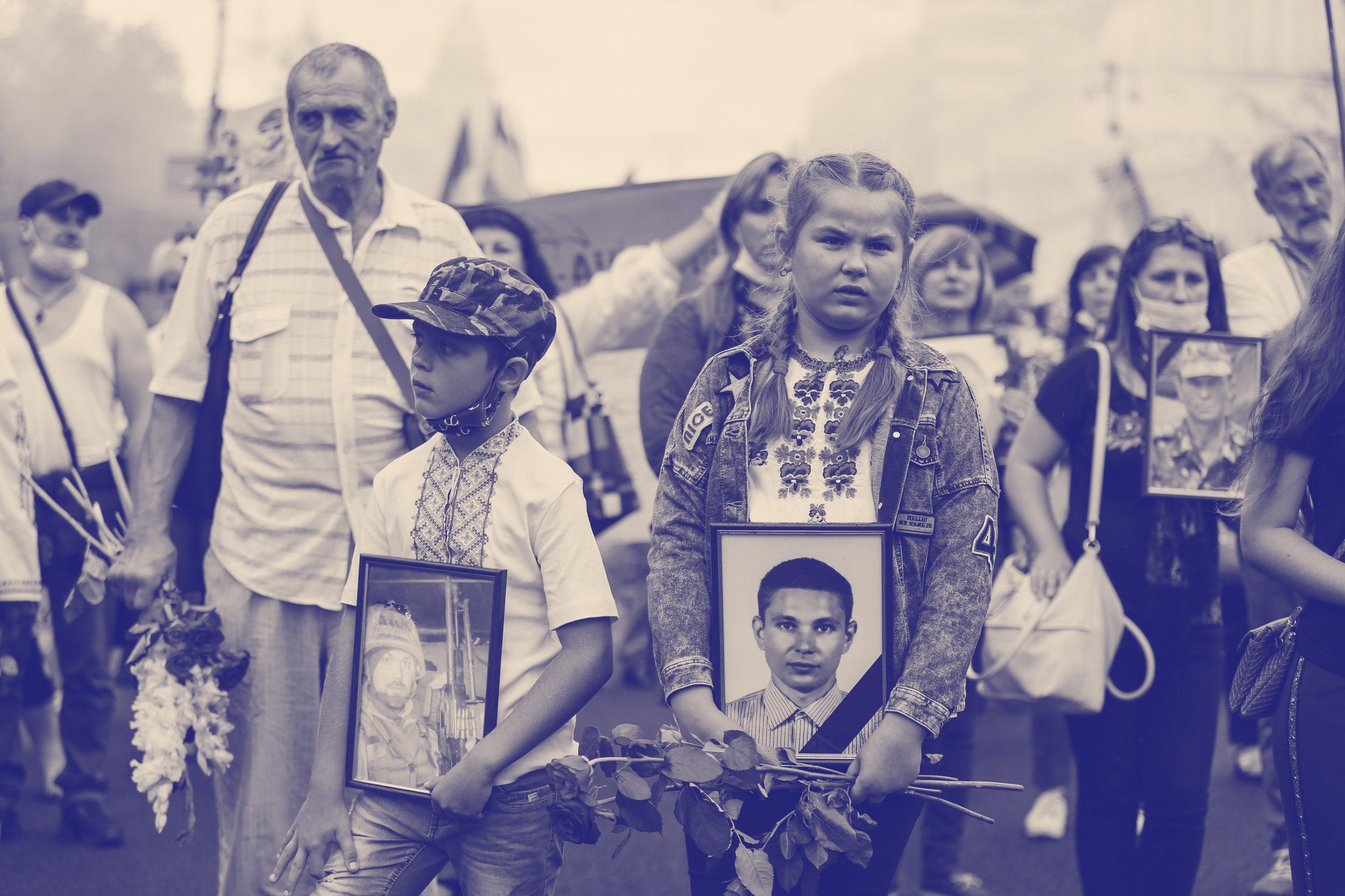
The Muslim Brotherhood's extremist ideology found a strange bedfellow in Nazi Germany, with shared interests in Jewish extermination. The convergence of this alliance set the stage for future regional conflicts and underscored the global reach of their respective visions.
1936-1941: Hitler's Arab Helpers and Husseini's Growing Influence
Husseini's collaboration with Nazi figures widened his political influence and deepened his commitment to eradicate Jewish presence in the Middle East. This chapter witnessed the crystallization of pan-Islamic and anti-semitic sentiments within Middle Eastern power structures.
Chapter III: 1944-1956 - Husseini, Arafat, and the Arab League
After World War II, the political landscape altered significantly, with new world orders emerging. Figures like Husseini played pivotal roles in founding entities such as the Arab League and influenced young successors like Yasser Arafat, setting the stage for prolonged conflict in the region.
The Saga Continues: From The Birth of Israel to the Suez Crisis
The declaration of the State of Israel and subsequent Arab-Israeli wars signaled irreversible changes. The Arab league, influenced by Husseini's ideology, launched multiple military campaigns to squash the young state, only further entrenching animosity and division.
Chapter IV: Yasser Arafat – Husseini’s Disciple Steps Forward

As Arafat rose to prominence, his reliance on violence and propaganda mirrored the tactics of his mentor, Husseini. His leadership of the PLO and later the creation of Fatah marked a continuation of efforts to undermine Israel through both political and militant means.
1970s: Fatah's Ascent and an Embargo's Grip
Arafat's Fatah, founded out of violent ideology, found its momentum in the 1970s, confronting Israel and igniting further regional strife. Additionally, the OPEC oil embargo revealed the capacity for economic warfare to be waged on a global scale.
Chapter V: Arafat and the Transformation of Palestine
Throughout decades of conflict, Arafat continually adjusted strategies, resorted to acts of terrorism, and manipulated both political and physical landscapes to serve his goals. His actions spurred cycles of violence and retaliation that have left lasting scars across the region.
Intifadas: Uprisings that Shaped Modern Conflict
The Intifadas, led by Arafat and Hamas, were pivotal uprisings that transformed the Israeli-Palestinian conflict. States united against Israel, insurgents became martyrs, and the region saw an escalation in hostilities that would define the Middle East for generations.
Conclusion and Reflection on Travel
Our journey through the convoluted history of the Middle East serves as a reminder of the deep-rooted issues that face the region. Peaceful travel within these lands often highlights the dichotomy between the beauty of cultural fusion and the harsh reality of historical conflict. While venturing into these lands, one cannot help but ponder on the complexity of the past and hope for a future where such divides can finally be bridged.