Unveiling the Political Life of Mohammad Amin al-Husayni

Mohammad Amin al-Husayni remains a polarizing figure in Middle Eastern history. Born in Jerusalem during the Ottoman era, Al-Husayni rose through the ranks of political leadership, eventually becoming the Grand Mufti of Jerusalem. His tenure was marked by strong political and religious influence, noted particularly for his opposition to Zionism and British policies in the region.
Al-Husayni's Role at the Helm of World Islamic Congress
As President of the World Islamic Congress in 1931, Al-Husayni found himself at the epicenter of Muslim political discourse. His leadership extended beyond the borders of Palestine, as he sought to unify and galvanize Islamic communities against colonialism and Zionism. This period solidified his position as a key player in the wider Islamic world.
Controversial Alignments: Al-Husayni and the German Connection
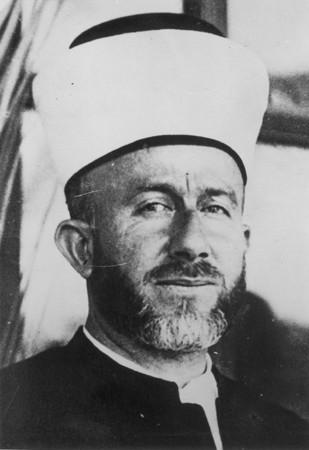
The most contentious aspect of Al-Husayni's legacy is undoubtedly his connection to Germany during the Holocaust. Historical records indicate that he met with senior Nazi officials, which has led to debates about the extent and nature of his involvement with the regime. While some argue that his actions were born out of political strategy against British rule, others condemn him as a collaborator in the Nazis' genocidal campaign.
Legacy and Historical Debate
The complexity of Mohammad Amin al-Husayni's life has led to a wide array of interpretations of his motivations and actions. Scholars continue to dissect his political maneuvers and relationships, particularly those during World War II, to understand his impact on the course of Middle Eastern and world history.
Personal Ties: Al-Husayni and Yasser Arafat

Mohammad Amin al-Husayni's influence extended beyond his own lifetime, with personal connections that reach into the modern era. One such connection was with Yasser Arafat, a leading figure in Palestinian politics and the nationalist movement. The association between these two leaders has often been scrutinized, with Arafat sometimes being seen as a political heir to Al-Husayni's legacy.
The Impact on Travel and Cultural Exploration
The legacies of figures like Mohammad Amin al-Husayni influence more than just history books; they affect the cultural and political landscapes that travelers engage with today. The Middle East continues to be a destination rich with history and complexity, where visitors can witness the tales of its leaders imprinted onto its monuments and museums. As travelers seek to immerse themselves in the culture, the hospitality sector possesses the opportunity to facilitate an exploratory journey through curated experiences that highlight the intricate history of this region.