The Intersection of History and Diplomacy
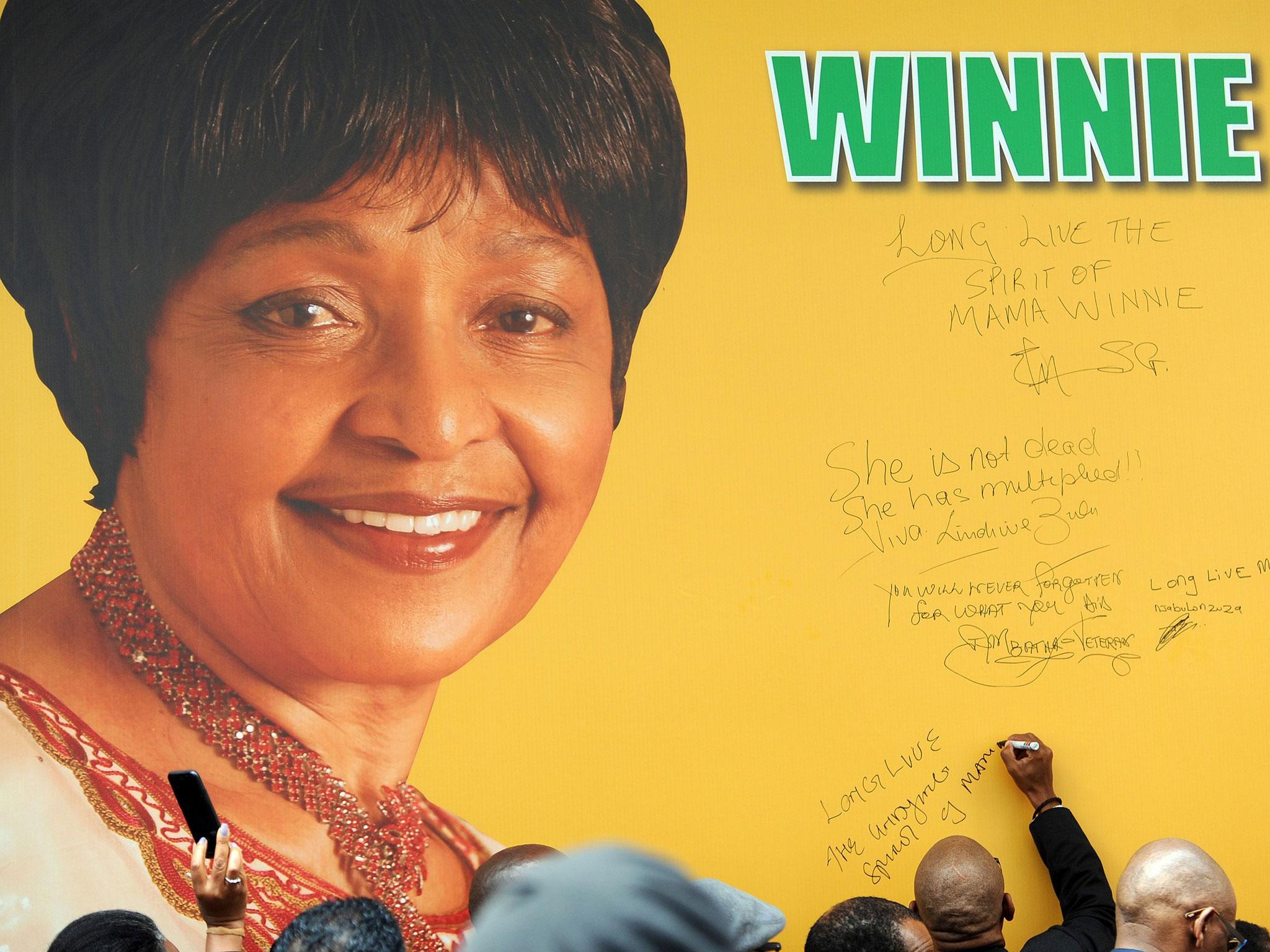
The passing of Nelson Mandela, a figure synonymous with peace and reconciliation, brought together a multitude of leaders and notable personalities from all corners of the globe. This convergence of individuals from diverse backgrounds and historical contexts underscores the expansive influence and reach of Mandela's legacy.
Global Icons at a Historic Farewell
Among the attendees were figures who themselves carried complex legacies, mirroring the often intricate landscape of international relations. Figures with contentious pasts stood shoulder to shoulder, united in their respect for the late South African leader.
The Symbolism of Attendance
The presence of certain historical figures at Mandela's funeral was replete with symbolic overtones, offering a stark reminder of the intertwining relationships between prominent leaders throughout the 20th century and into the modern era.
Legacy of Mandela: A Touchstone for Unity
Mandela's ethos of forgiveness and understanding seemed to transcend even the most fraught historical narratives, as representatives from various backgrounds came together to honor his memory, demonstrating the unifying power of his message.
Political Observers and Analysts Weigh In
Political commentators and historians alike have offered their perspectives on the significance of such diverse attendance, highlighting how Mandela's spirit might offer lessons for contemporary diplomacy and peacemaking efforts.
Sharing the Moment: Connecting Through Social Media
In the digital age, the ability to share in these historical moments through social media has amplified the conversation around such events. Platforms like Facebook, Twitter, and Reddit provide a space for global citizens to engage with history as it unfolds, creating a collective memory.
Implications for International Relations
The funeral has also been a focal point for discussions regarding international relations, as the gathering of such a diverse group of leaders and personalities poses questions about cooperation and diplomacy in a rapidly changing world landscape.
The Impact on Travel and Cross-Cultural Exchange
As the world watched dignitaries travel to South Africa to pay their respects, it highlighted the way in which significant events can draw people across borders and cultures, fostering a form of dialogue and exchange that transcends politics.
Inclusivity in Remembering Historical Figures
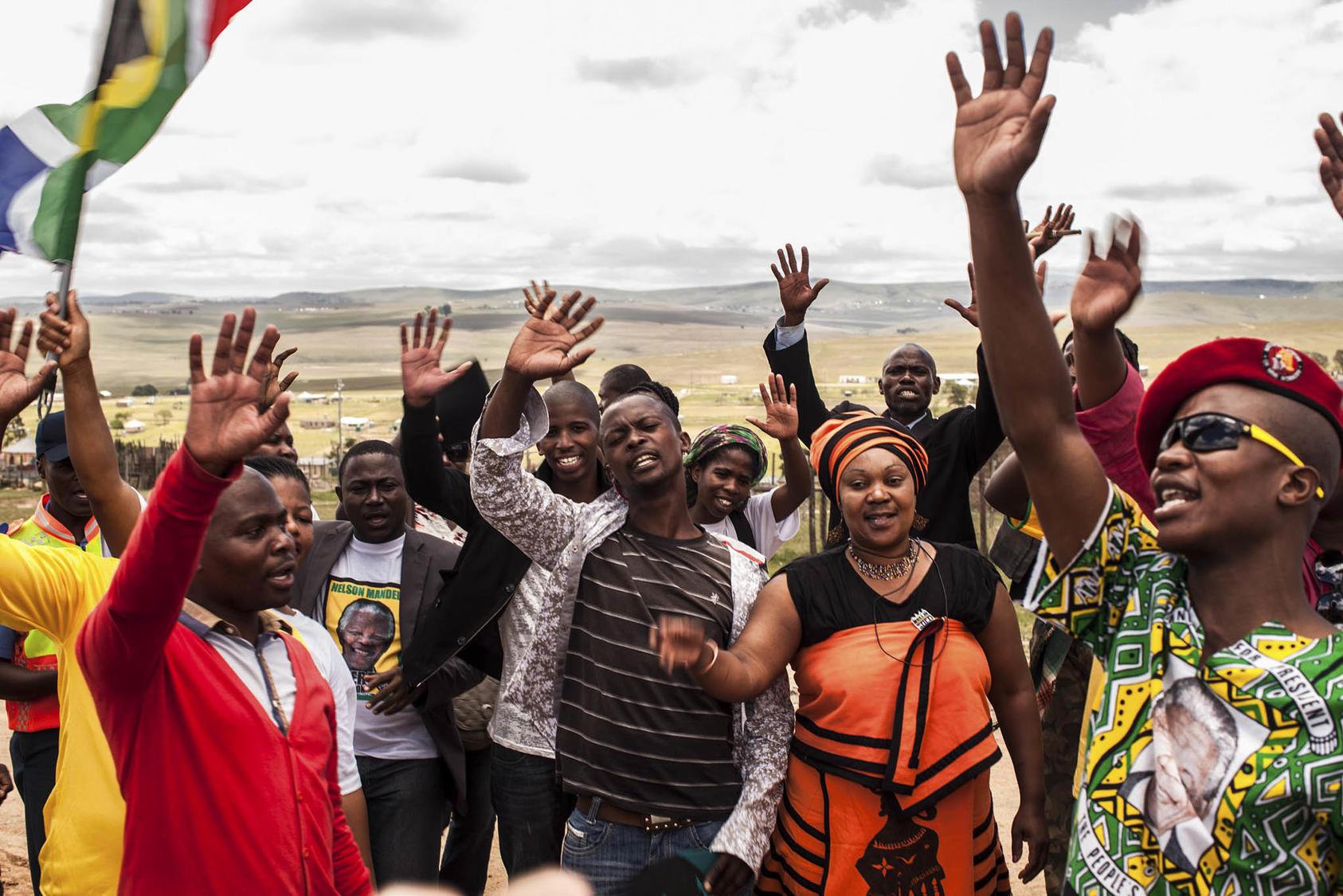
Notably, the inclusive nature of Mandela's funeral serves as a testament to his vision of a global community, encouraging discussions on bridging divides and building mutual understanding across nations.
Travel as a Vehicle for Unity
Moreover, the act of traveling for such an occasion reflects the broader role of travel in enhancing connections and empathy between peoples. The coming together of individuals from different nations in times of mourning or celebration can foster a sense of shared humanity, which is essential in the quest for global peace.
The Role of Accommodation in International Events
Key international events often see an influx of visitors, necessitating the hospitality industry to accommodate a diverse clientele. Hotels play a crucial role in providing a space for reflection and dialogue among attendees, thereby contributing to the atmosphere of international camaraderie.
Conclusion: The Ever-Present Link Between History, Travel, and Dialogue
In conclusion, Nelson Mandela’s funeral not only served as a ceremony to honor a legendary figure but also highlighted how historical events create opportunities for cross-cultural engagement and dialogue. The convergence of various personalities underscored the capacity of travel to empower individuals to participate in global conversations, turning places of accommodation into microcosms of international unity and understanding.